
Solar Water Heaters
Water heating (SWH) is the conversion of sunlight into heat for water heating using a solar thermal collector. A variety of configurations are available at varying cost to provide solutions in different climates and latitudes. SWHs are widely used for residential and some industrial applications.
Operations
- Inner tank made up of 316 grade stainless steel tank.
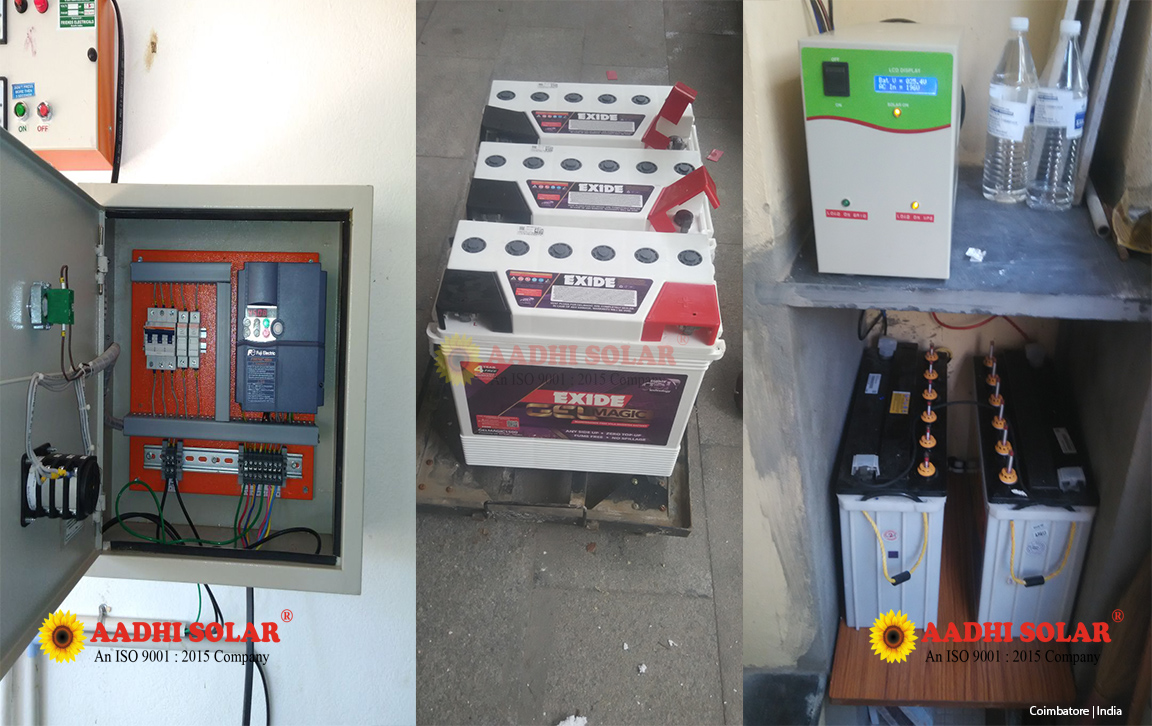
- The charge controller regulates the voltage running through it so that the batteries will not be damaged from overcharging. It acts sort of like a bottleneck, preventing too much electricity from “spilling” out at once.
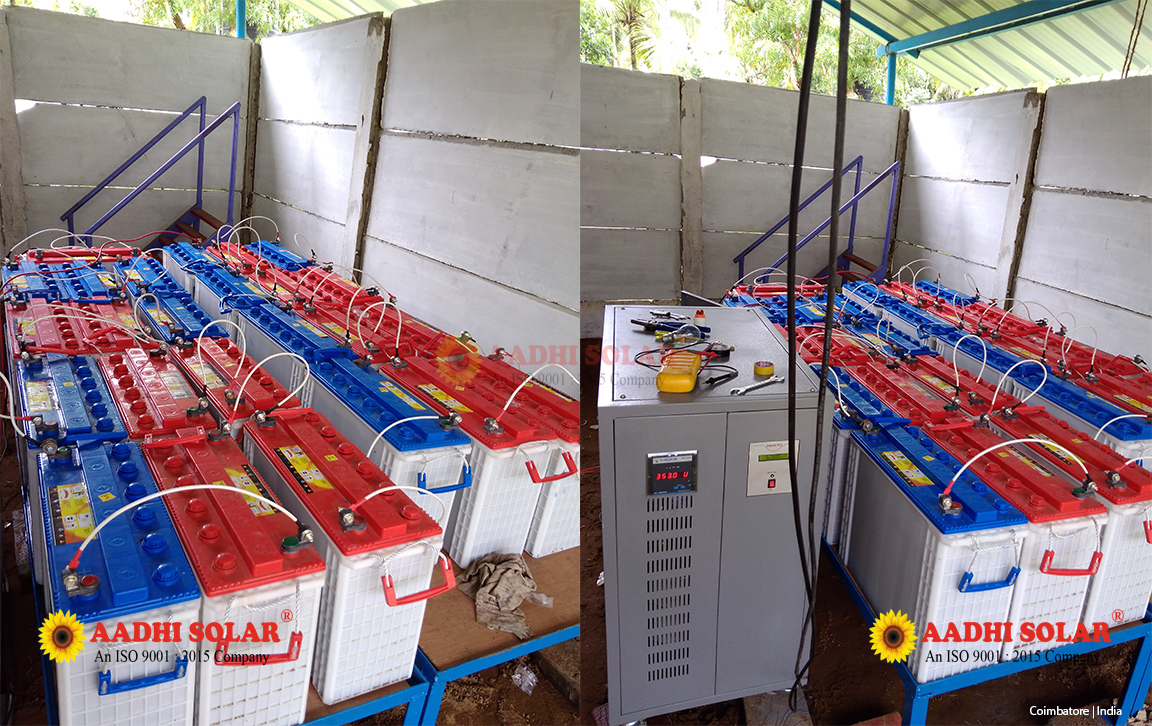
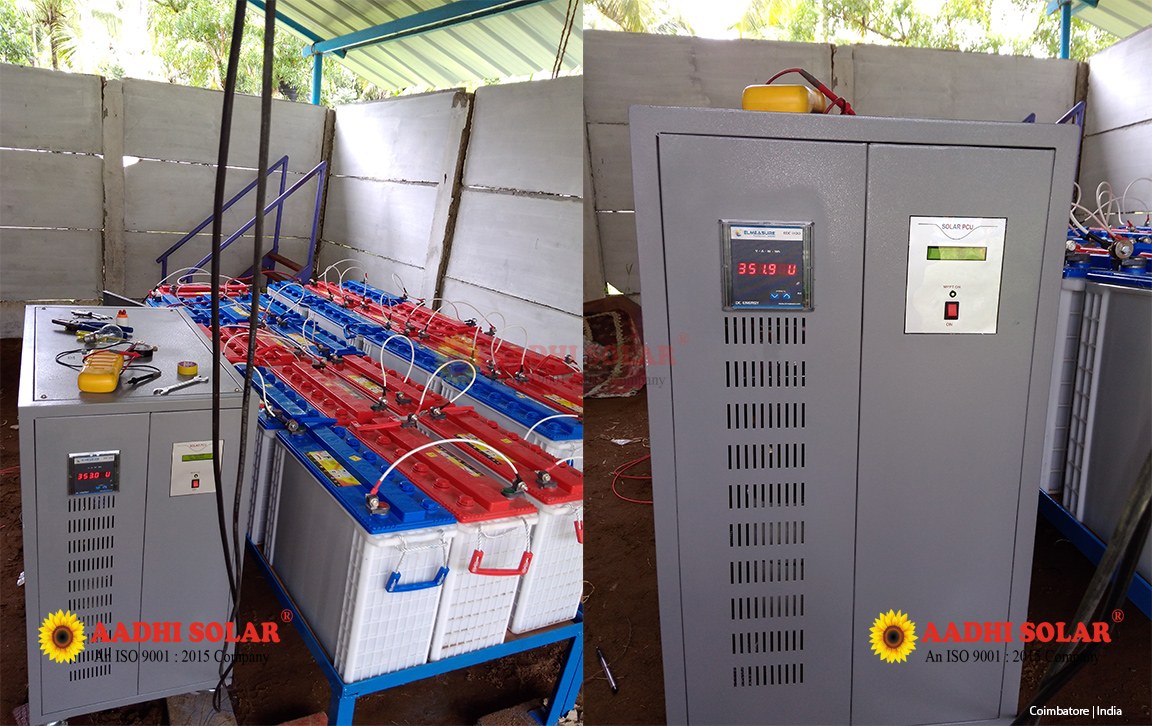
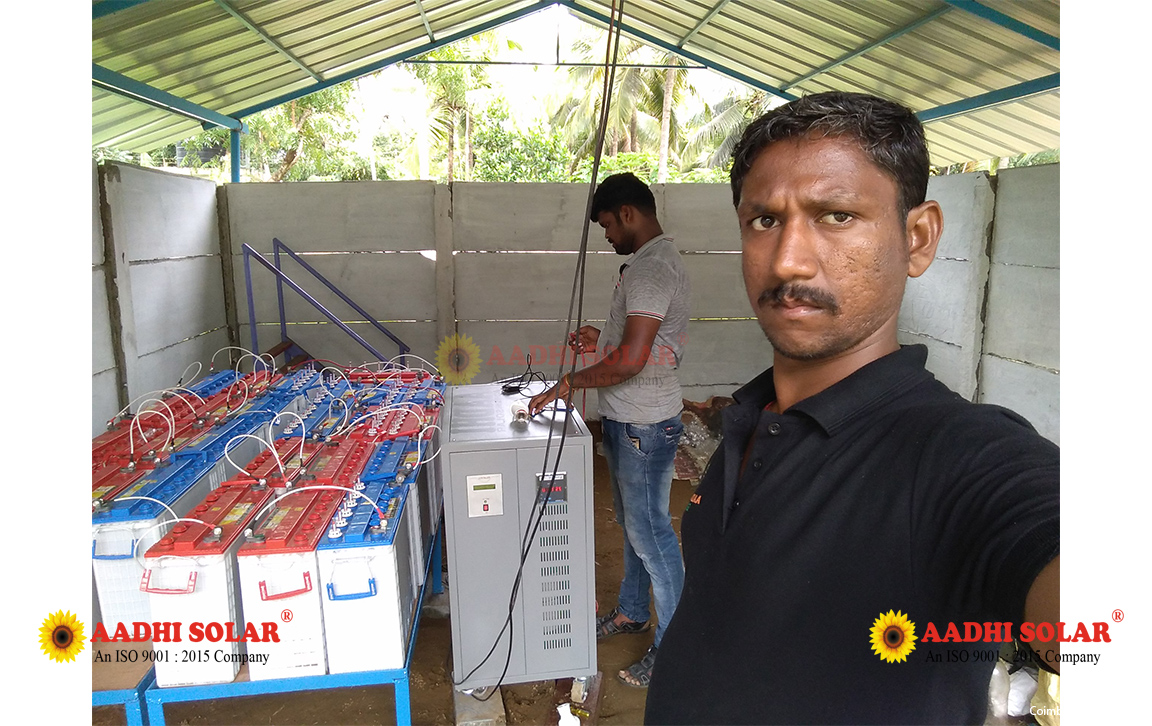
- From the charge controller, the current is sent to the battery bank (most residential solar electric systems require several batteries). Remember that this is still DC electricity.
- It is from the batteries that power is drawn for use in the home. But first, it must pass through the inverter to become usable AC electricity.
- Once converted to AC, the electricity is ready for use, passing through the breaker panel, where it is distributed around the house as appliances and light switches are turned on.
Operations
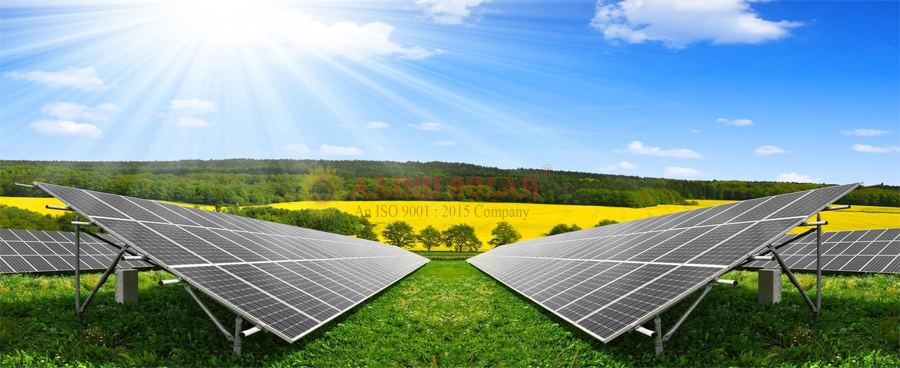
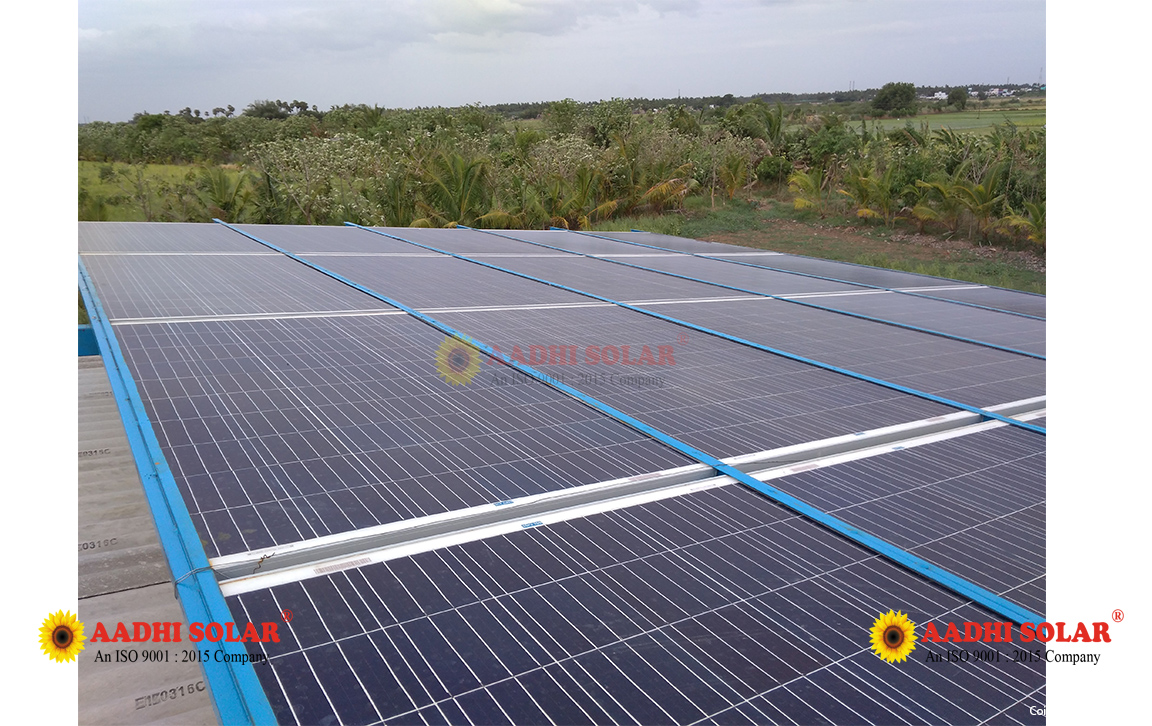
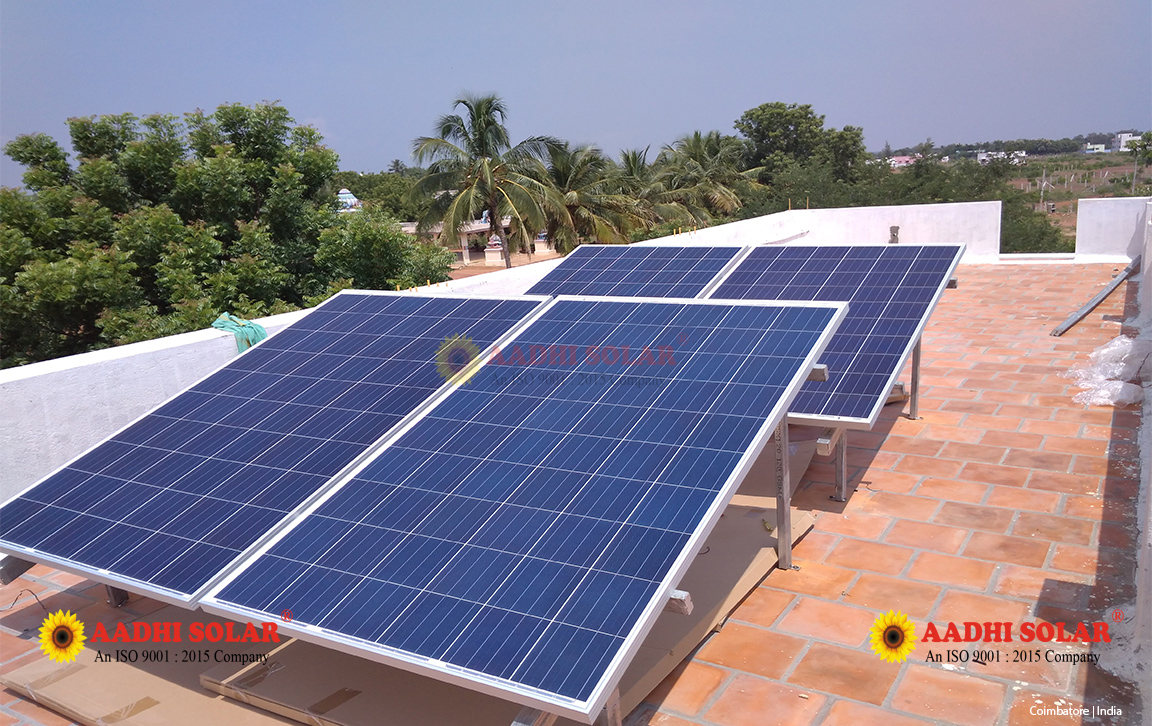
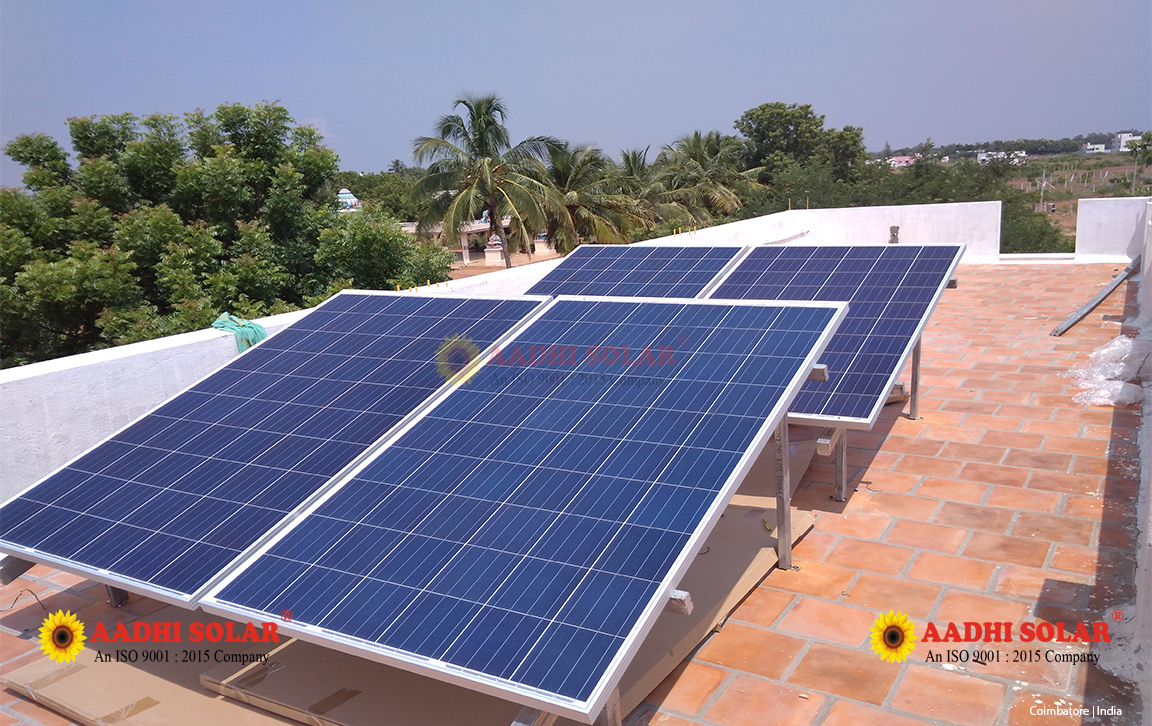
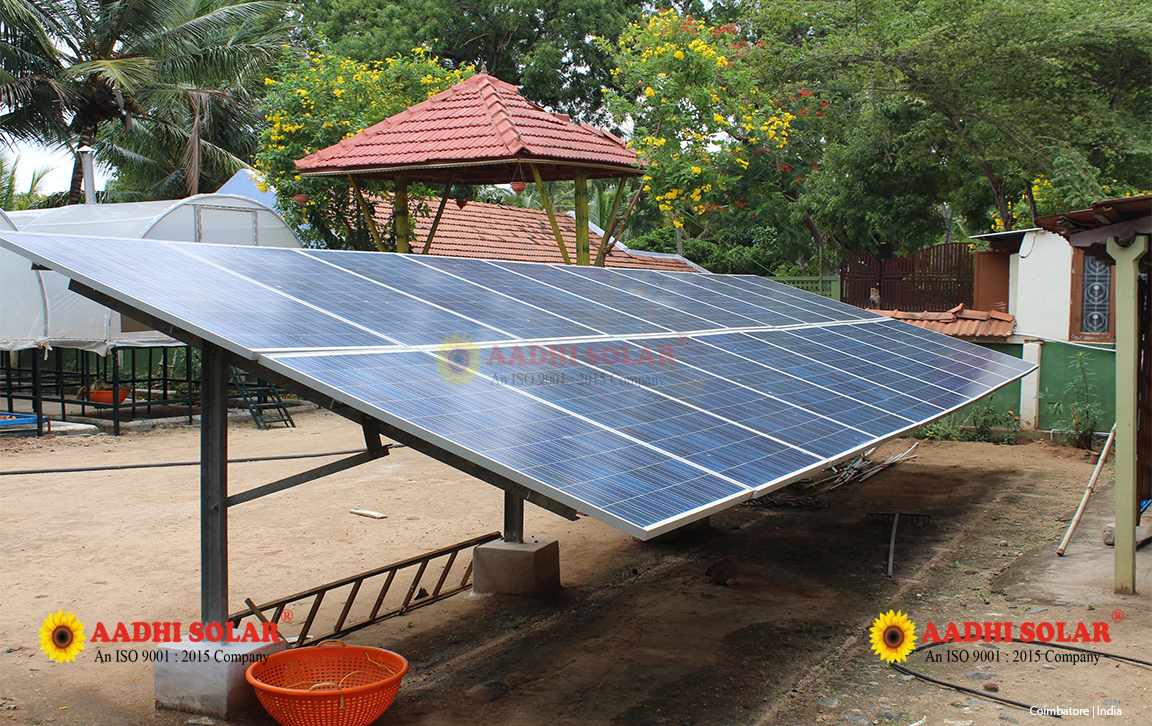
- Sunlight strikes a solar PV panel . Inside that panel are one or more semiconductors that facilitate the creation of an electric current from sunlight.
- That electricity is sent through wiring to an inverter , where the direct current (DC) is converted into alternating current (AC) compatible with your home appliances and the utility grid.
- From the inverter, the AC voltage passes through the breaker panel, where it is sent one of two places – either into the home to power electrical devices or to the utility meter on the outside of the home (as excess energy).
- The utility meter measures the amount of solar electricity as it is sent to the electric grid for use somewhere else. For homes with solar power systems, this meter counts in both directions . That is, when the solar panels are sending energy to the grid, the meter rolls backward, and at night when the grid is providing power to the home, it rolls forward.
| S No | Evacuated Tube Collector (ETC) | Flat Plate Collector |
| 1 | Quick heat Generation | Slow heat Generation |
| 2 | Heat absorbing surface is always perpendicular to the sun-rays because of the cylindrical collector glass tube. Hence peak absorption always. | The collector fins and tubes being flat, the incident sun-rays will be at 90 degrees only at noon. So the peak absorption is also only during this time. |
| 3 | Vacuum inside the collector tube reduces heat loss at night | Heat loss will be more in collector panels at night. |
| 4 | Negligible scaling of tubes -can be cleaned manually (Inner dia 37 mm). Consequent loss of efficiency is minimum. | Heavy scaling of copper tubes which cannot be cleaned manually as bore dia is 12.50mm, causing substantial loss in the efficiency of the system. |
| 5 | Satisfactory performance in cold conditions. | Performance falls significantly on cloudy and winter days |
| 6 | Increment in temperature from ambient temperature is 100c to 500c on clear sunny days. | Increment in temperature from ambient temperature is 10°c to 40°c. |
| 7 | Advanced technology at a competitive price. | Outdated technology, high price. |